Blogs
Understanding Hernia: Types, Symptoms and Advanced Treatment Options
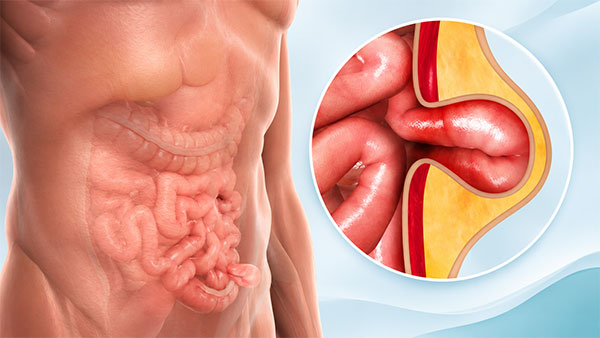
A hernia develops when an internal organ or tissue pushes through a weak area in the surrounding muscle or connective tissue. It commonly occurs in the abdomen or groin and may appear as a visible bulge. Some hernias cause mild discomfort, while others can lead to pain and difficulty performing everyday activities.
Although some hernias may initially cause very few symptoms, they generally do not resolve on their own. Timely medical evaluation helps identify the type and severity of the condition and determine whether surgical treatment is required. Modern surgical options, including laparoscopic and robotic-assisted procedures, offer treatment approaches for suitable patients.
What Are the Different Types of Hernia?
Hernias are classified according to the area where the weakness develops. Some of the commonly diagnosed types include:
-
Inguinal Hernia: Occurs when tissue pushes through a weak area in the lower abdominal wall near the groin. It is one of the most common types of hernia.
-
Ventral Hernia: Develops through a weakened area in the front abdominal wall and may appear as a bulge in the abdomen.
-
Incisional Hernia: Develops at or near the site of a previous abdominal surgery due to weakness in the healing surgical incision.
-
Umbilical Hernia: Occurs near the belly button when tissue pushes through a weakened area around the navel.
-
Hiatal Hernia: Develops when part of the stomach moves upward through the diaphragm into the chest cavity. It may be associated with acid reflux and heartburn.
Common Symptoms of Hernia
Hernia symptoms depend on its location, size and severity. Some patients may notice a visible bulge, while others experience discomfort during physical activities. Common symptoms include:
-
A visible or noticeable bulge in the abdomen, groin or near the navel.
-
Pain or discomfort while coughing, bending, lifting or standing for long periods.
-
A feeling of heaviness, pressure or weakness in the affected area.
-
Burning or aching sensations around the hernia.
-
Discomfort that becomes more noticeable during physical activity.
A hernia that suddenly becomes very painful, firm or discoloured, or cannot be pushed back, requires urgent medical attention. Vomiting, abdominal swelling or difficulty passing stool or gas may indicate a serious complication such as bowel obstruction or strangulation.
What Causes a Hernia?
A hernia usually develops due to a combination of muscle weakness and increased pressure within the abdomen. Certain factors can increase the likelihood of developing a hernia, including:
-
Weakness in the abdominal muscles or connective tissues.
-
Previous abdominal surgery or incomplete healing of a surgical incision.
-
Repeated heavy lifting or activities that increase abdominal pressure.
-
Chronic coughing, constipation or frequent straining.
-
Excess body weight and pregnancy, which can increase pressure on the abdominal wall.
-
Age-related weakening of muscles and supporting tissues.
Advanced Hernia Treatment Options
Treatment depends on the type of hernia, its size, location, symptoms and the patient's overall health. While selected patients may be advised regular monitoring, surgery is often recommended for symptomatic or complicated hernias.
-
Open Hernia Repair: The surgeon makes an incision near the hernia to reposition the protruding tissue and repair the weakened area.
-
Laparoscopic Hernia Surgery: A minimally invasive approach that uses small incisions, a camera and specialized instruments to repair suitable hernias.
-
Robotic Hernia Surgery: Uses a robotic-assisted surgical system that allows the surgeon to perform selected procedures with enhanced instrument control and visualization.
-
Mesh Repair: Surgical mesh may be placed to reinforce the weakened abdominal wall and help reduce the risk of hernia recurrence.
-
Complex Abdominal Wall Reconstruction: Advanced reconstructive techniques may be required for large, recurrent or complicated hernias to restore abdominal wall strength and function.
Benefits of Advanced Hernia Surgery
Modern hernia repair techniques are designed to address the underlying abdominal wall weakness and help patients return to their daily routines. Depending on the surgical approach and individual condition, potential benefits may include:
-
Repair of the weakened abdominal wall and better structural support.
-
Relief from hernia-related pain and discomfort.
-
Smaller incisions with selected minimally invasive procedures.
-
Support for recovery and return to normal activities with appropriate guidance.
-
Management of complex and recurrent hernias through specialized surgical planning.
Recovery After Hernia Surgery
Recovery varies depending on the type of hernia, surgical technique and overall health of the patient. Following the surgeon's instructions is important for proper healing and reducing the risk of complications. General recovery recommendations may include:
-
Follow the prescribed medication and wound care instructions.
-
Begin gentle walking as advised by the treating surgeon.
-
Avoid heavy lifting and strenuous activities until medically cleared.
-
Maintain a balanced diet and adequate hydration to support healing.
-
Attend scheduled follow-up appointments to monitor recovery.
When Should You Consult a Hernia Surgeon?
If you notice a bulge in your abdomen or groin, experience persistent discomfort or have been diagnosed with a hernia, consulting a qualified surgeon can help you understand your treatment options. Early evaluation is particularly important for recurrent, large or symptomatic hernias.
Dr. Monika Joshi provides surgical evaluation and treatment planning for hernia conditions, including advanced hernia repair and abdominal wall reconstruction. The recommended approach is based on the patient's individual condition, medical history and treatment requirements.