Advanced Hernia Surgery & Abdominal Wall Reconstruction
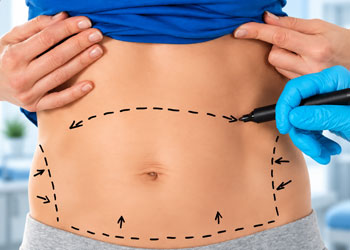
Advanced Hernia Surgery & Abdominal Wall Reconstruction
A hernia occurs when an internal organ or tissue pushes through a weak area in the surrounding muscle or abdominal wall. Depending on its location, size, and complexity, a hernia may cause a visible bulge, discomfort, or pain during everyday activities.
Advanced hernia surgery uses techniques such as laparoscopic and robotic-assisted repair to treat suitable hernias through small incisions. For complex or recurrent hernias, specialized abdominal wall reconstruction techniques may help restore the strength and function of the abdominal wall. Treatment is planned according to each patient's condition and medical needs.
Treatments Offered
Advanced hernia treatment includes a range of surgical approaches designed to repair abdominal wall defects and manage both straightforward and complex hernias.
-
Laparoscopic and Robotic Hernia Repair: Minimally invasive techniques that use small incisions and specialized instruments to repair suitable hernias, often allowing a quicker recovery than open surgery.
-
Inguinal and Ventral Hernias: Surgical treatment for hernias in the groin or abdominal wall, with the approach selected according to the type and severity of the hernia.
-
Incisional Hernias: Repair of hernias that develop at or near a previous surgical incision, helping address the abdominal wall defect.
-
Recurrent Hernias: Specialized assessment and surgical repair for hernias that return after an earlier operation, taking previous repairs and scar tissue into consideration.
-
eTEP and Retromuscular Mesh Repair: Advanced techniques that create access to tissue planes behind the abdominal muscles, allowing mesh placement in a suitable position to reinforce the abdominal wall.
-
Complex Abdominal Wall Reconstruction: Specialized surgical planning to repair large or complicated abdominal wall defects and restore abdominal wall integrity.
-
Component Separation and TAR: Advanced reconstructive procedures that help mobilize abdominal wall muscles and achieve closure of selected large or complex hernia defects. TAR stands for transversus abdominis release.
Symptoms of Hernia
Hernia symptoms can vary depending on the location and size of the defect. Common signs that may require medical evaluation include:
-
A visible or palpable bulge in the abdomen or groin.
-
Pain, pressure, or discomfort while lifting, coughing, or bending.
-
A bulge near a previous surgical incision.
-
A feeling of heaviness or weakness in the abdominal wall.
-
Increasing discomfort or a change in the size of an existing bulge.
Seek emergency medical attention if a hernia suddenly becomes very painful, firm, discoloured, or cannot be pushed back, especially when accompanied by vomiting, abdominal swelling, or difficulty passing stool or gas. These symptoms may indicate a serious complication.
Causes & Risk Factors
Hernias develop when abdominal tissue pushes through a weakened area of muscle or connective tissue. Factors that may contribute to their development include:
-
Weakness in the abdominal wall present from birth or developing over time.
-
Previous abdominal surgery and incomplete healing of the incision.
-
Repeated heavy lifting or activities that increase abdominal pressure.
-
Persistent coughing or chronic constipation that causes straining.
-
Excess body weight, smoking, or other factors that can affect tissue strength and healing.
Advanced Treatment Approach
The right treatment depends on the type of hernia, its size and location, previous surgeries, overall health, and the presence of complications. Evaluation may include a physical examination and imaging when required.
-
Personalized Surgical Planning: Assessment of the hernia and selection of an appropriate repair technique based on individual needs.
-
Mesh Reinforcement: Surgical mesh may be used in suitable cases to strengthen the repaired abdominal wall and reduce the risk of recurrence.
-
Complex Reconstruction: Larger defects may require advanced techniques to bring the abdominal wall tissues together safely.
-
Recovery and Follow-Up: Postoperative guidance, activity recommendations, and follow-up appointments help monitor healing and recovery.
Prevention & Recovery Care
Not all hernias can be prevented. However, certain habits may help reduce strain on the abdominal wall and support recovery after surgery.
-
Maintain a healthy weight through balanced nutrition and regular activity.
-
Avoid heavy lifting until cleared by your treating surgeon.
-
Manage constipation and avoid excessive straining.
-
Stop smoking where possible to support wound healing.
-
Follow postoperative instructions and attend scheduled follow-up visits.